
Different contexts. Common Aspirations. :Rural Youth Reimagining Zimbabwe’s Future
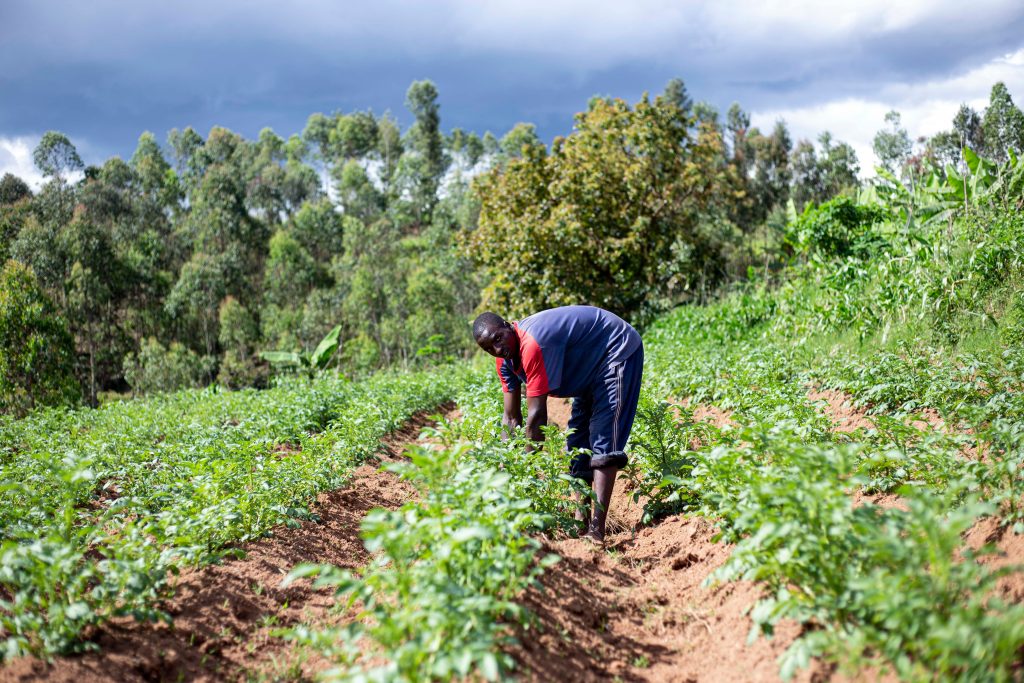
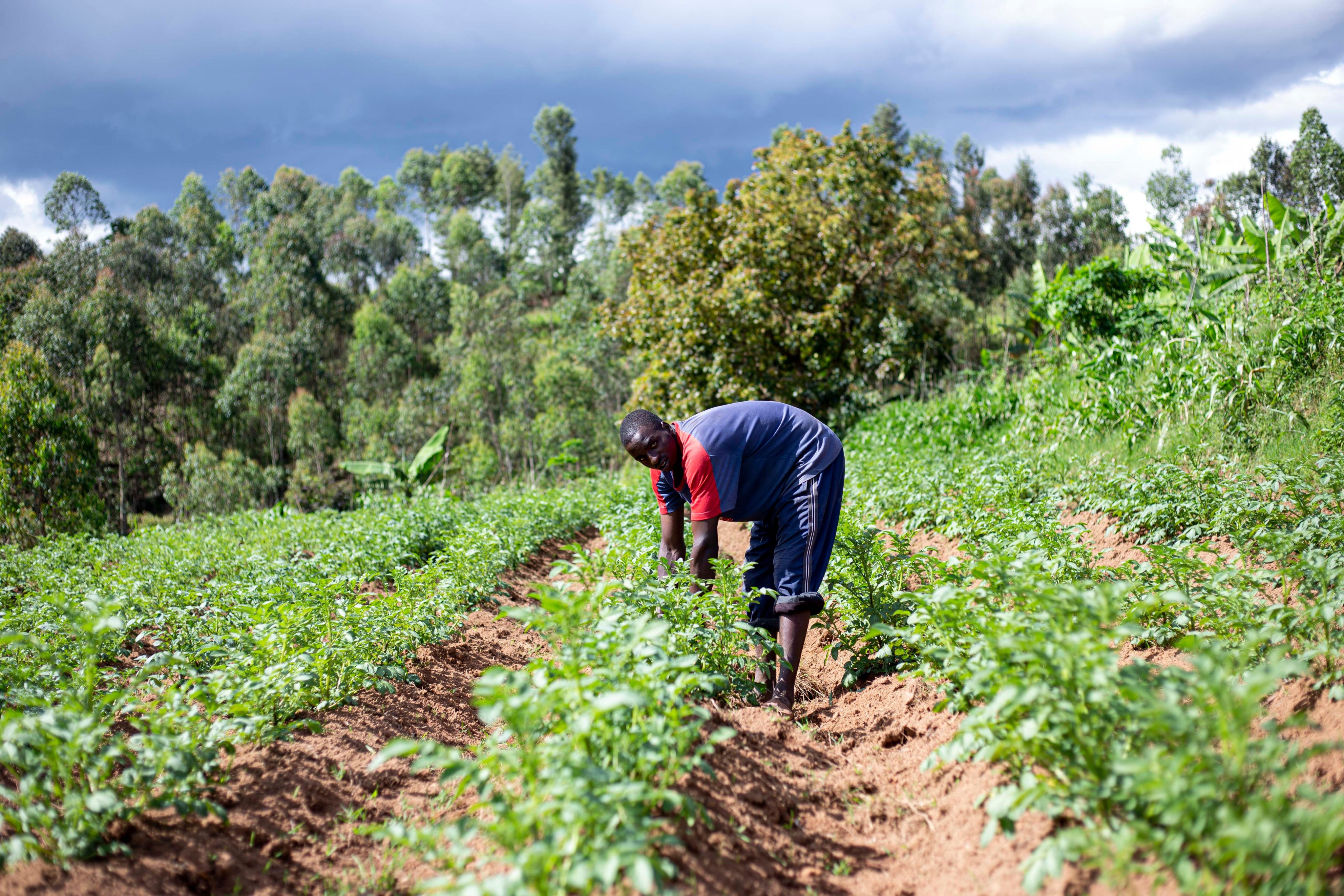
Before sunrise in Mhondoro-Ngezi, Terrence “Terry” Maphosa walks through his homestead, preparing for another busy day at KwaTerry. Hundreds of kilometres away in Hakwata Village, Chipinge, 24‑year‑old Vimbai Mufudzi checks her vegetable beds, hoping the mulch she laid will protect her crops from another dry spell. Elsewhere, a young farmer opens the Goho App to check weather forecasts and market prices before heading into the field.
None of these young Zimbabweans works from a glass office tower or a bustling innovation hub. Yet each is quietly reshaping the country’s future. Their stories challenge one of Zimbabwe’s most enduring misconceptions: that opportunity begins where the tarred roads end and the cities begin.
The reality is quite different.
According to the Zimbabwe National Statistics Agency (ZIMSTAT), 58% of Zimbabwe’s young people aged 10–35 live in rural areas, while only 42% live in urban centres. With 61% of the population residing in rural communities, Zimbabwe’s future depends not only on developing its cities but also on recognising the ingenuity already taking root in villages, farming communities and growth points.
As the world commemorates International Youth Day, young people are celebrated as innovators, entrepreneurs and problem‑solvers. Yet the spotlight often falls on those in urban centres, where opportunities appear more visible and technology more accessible. Across rural Zimbabwe, however, another story is unfolding, one defined by resilience, creativity and an unwavering determination to transform local challenges into opportunities.
This year’s theme, “Different Contexts, Common Aspirations,” captures this reality. A young entrepreneur in Mhondoro, a farmer in Mutoko, a climate champion in Chipinge or an innovator in Gwanda may experience different realities from their peers in Harare or Bulawayo. They may contend with poor roads, unreliable internet connectivity, distant markets and limited financial services. Yet their aspirations remain remarkably similar: dignity, decent work, sustainable livelihoods, meaningful participation and the opportunity to shape a better future.
Terrence “Terry” Maphosa is one of the young Zimbabweans redefining what opportunity looks like in rural communities.
After graduating with a degree in Political Science, Terry struggled to secure formal employment. Rather than leaving his rural home in search of opportunities elsewhere, he looked at the resources around him and saw untapped potential. What began as a small indigenous poultry project has grown into KwaTerry, a thriving farm‑to‑table enterprise that blends agriculture, hospitality, cultural tourism and digital storytelling.
Today, visitors travel from across Zimbabwe and beyond to experience authentic cuisine prepared largely from produce grown on Terry’s rural home and sourced from neighbouring farmers. KwaTerry has created employment for local youth, opened markets for surrounding producers and become a learning hub where aspiring entrepreneurs study agribusiness, value addition and financial literacy. Through social media, Terry has also transformed perceptions of rural life, proving that innovation can flourish far from the country’s commercial centres.
Terry’s journey reminds us that innovation is not always about inventing something new. Sometimes it is about recognising new value in what already exists.
If Terry’s innovation begins with the land, Admire Moyo’s begins with a mobile phone.
Growing up in a rural farming community, Admire recognised that many smallholder farmers were not failing because they lacked determination, but because they lacked timely information. Farmers often struggled to access reliable advice on crop production, changing weather patterns and profitable markets.
His response was the Goho App, a digital platform that places agricultural knowledge directly into farmers’ hands. Through the application, farmers access climate‑smart advice, market information, planting calendars and practical production guides.
His solution demonstrates how technology can bridge information gaps and empower rural communities. Today, a smartphone has become a farming tool, a business advisor and a gateway to opportunity.
Across rural Zimbabwe, smartphones now sit alongside hoes and watering cans. Young farmers check rainfall forecasts before planting, market fresh produce on Facebook and WhatsApp, receive payments through mobile money and use solar‑powered irrigation systems to adapt to increasingly unpredictable weather. Agriculture is becoming a business built on innovation, technology and entrepreneurship.
While digital technology is transforming how young people farm, climate‑smart agriculture is transforming how they respond to a changing environment. That is where Vimbai Mufudzi’s story begins.
In Hakwata Village in Chipinge District, Vimbai is redefining what it means to be a young rural entrepreneur. Faced with increasingly erratic rainfall and recurring crop losses, she embraced climate‑smart agriculture through training supported by the United Nations Development Programme (UNDP) under the Zimbabwe Resilience Building Fund.
Armed with new knowledge, she adopted mulching, efficient water management and diversified vegetable production, transforming vulnerability into opportunity. Today, she grows tomatoes and cabbage as a sustainable business while encouraging other young women in her community to adopt similar practices.
Reflecting on her journey, Vimbai says, “We used to lose crops when the rains failed. Now, we've learned to grow smarter and make the most of the little we have.” For her, farming has become much more than a livelihood. “It’s not just farming, it’s business. We’re building something sustainable.”
Her story illustrates how investments in youth skills, climate adaptation and local leadership can unlock innovation that strengthens entire communities.
These stories are inspiring, but they also expose the barriers that continue to limit rural youth potential. Digital inclusion remains uneven: while mobile connectivity has expanded, many communities still face unreliable networks, high data costs and limited access to digital devices. Infrastructure gaps also raise transport costs, reduce access to profitable markets and constrain agro-processing and food storage. Access to finance remains a persistent obstacle, asmany young entrepreneurs cannot secure loans because they lack collateral or formal credit histories.
For today’s rural entrepreneur, internet connectivity is becoming as essential as roads and electricity.
Recognising these challenges, Zimbabwe has introduced several policies and programmes aimed at expanding opportunities for rural youth, including the National Youth Policy, National Development Strategy 1 and 2, the Youth EmpowerBank, vocational training centres and the Digital Villages Programme. Together, these initiatives reflect growing recognition that rural areas are also spaces of innovation, entrepreneurship and youth leadership.
The task ahead is ensuring these opportunities reach more young people and translate into sustainable livelihoods.
As Zimbabwe joins the global community in commemorating International Youth Day, one message emerges with clarity: rural youth are not beneficiaries waiting on the margins of development. They are entrepreneurs creating jobs, innovators using technology to solve local problems, farmers strengthening food security and climate champions building resilience for future generations.
For generations, Zimbabwe’s villages have been viewed as places young people leave in search of opportunity. Increasingly, they are becoming places where opportunity is being created.
The evidence is clear: rural youth have the potential to transform Zimbabwe. The priority now is to invest boldly in the young people who are already reshaping their communities and contributing to the nation’s future.
Rural youth only need resources. They have solutions to their problems but lack of or limited access to resources that address those challenges.
Good piece, insightful.
These stories demonstrate how investments in digital inclusion, climate resilience and entrepreneurship can unlock transformative change at community level. A timely contribution that reinforces why inclusive development must place rural youth at the centre of national sustainable development agenda. Thank you for the reminder.