
Africa Day 2026: Celebrating Unity, Progress and a Shared Future
by Getrude Chigerwe
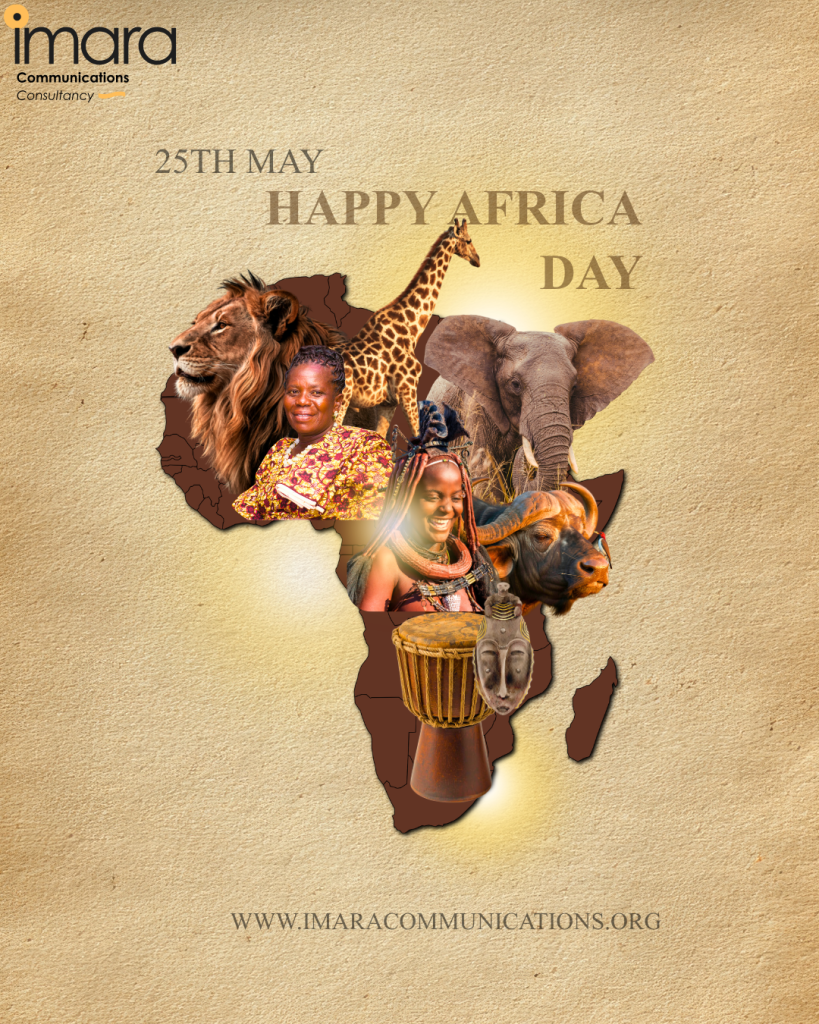
Every year on 25 May, Africans across the continent and the diaspora celebrate Africa Day, marking the founding of the Organisation of African Unity in 1963, now the African Union. More than a historical anniversary, the day is a celebration of African identity, resilience, cultural richness, unity and progress.
In 2026, Africa Day is being commemorated under the theme “Sixty-three (63) Years of Unity, Integration and Development: Let’s Celebrate Together.”
This theme reflects Africa’s continuing journey towards deeper cooperation, inclusive growth and social transformation. It underscores the importance of collective action in addressing challenges such as poverty, unemployment, climate change, inequality and conflict, while also recognising the continent’s achievements in innovation, education, entrepreneurship, the arts and culture.
Africa is home to one of the world’s youngest populations, making young people central to the continent’s future. Across the continent, youth are shaping conversations in technology, business, media, music, education and sustainable development. Their creativity and innovation continue to redefine Africa’s image globally and demonstrate that African solutions can address African challenges.
Beyond celebration, Africa Day also invites reflection on the development priorities that will shape the continent’s future. In that spirit, the African Union’s 2026 continental theme,“Assuring Sustainable Water Availability and Safe Sanitation Systems to Achieve the Goals of Agenda 2063",places strong emphasis on sustainable water availability and safe sanitation as foundations for achieving the goals of Agenda 2063.
Africa Day also reminds us that the continent’s diversity is one of its greatest strengths. From language and tradition to music, fashion and cuisine, Africa continues to inspire the world with its rich cultural heritage. The day encourages Africans to honour their history while embracing innovation and modernisation.
As Africa marks another year of unity and progress, the message is clear: the continent’s future depends on collaboration, inclusion and a shared vision for development. This day is an opportunity to recommit to building a stronger, more united and more prosperous Africa for generations to come.
A Development Priority: Water and Sanitation
The theme highlights one of the continent’s most urgent priorities: ensuring that every African has access to clean water and safe sanitation. It also reflects a broader continental commitment to place water security at the centre of development planning.
Water is essential not only for survival, but also for agriculture, education, public health, industry and economic growth.
Yet across many African communities, millions still face water shortages, unsafe drinking water and inadequate sanitation. These challenges undermine health, restrict opportunity and disproportionately affect women and children, who often bear the burden of travelling long distances to collect water.
By focusing on sustainable water availability, the African Union is encouraging governments, organisations and communities to invest in long-term solutions, including water conservation, climate-resilient infrastructure, better governance and responsible management of water resources. Safe sanitation systems are equally vital for preventing disease, improving living conditions and protecting human dignity.
This theme directly supports the vision of Agenda 2063, Africa’s long-term blueprint for inclusive growth, resilience and shared prosperity. It reinforces the goal of building a healthy, productive and united continent in which citizens have access to essential services and opportunities.
As climate change, population growth and urbanisation place greater pressure on natural resources, Africa must prioritise innovation, partnerships and community-driven solutions to secure water for future generations. Access to clean water and sanitation is not a privilege; it is a fundamental human right and a foundation for sustainable development.
The 2026 theme therefore serves as both a call to action and a reminder that sustainable development begins with protecting the resources that sustain life itself.
The theme also has a strong gender dimension, especially for women and girls in rural and remote communities. Reliable access to water and safe sanitation is closely linked to dignity, safety, education and economic participation.
In many African communities, women and girls are primarily responsible for collecting water for household use. Where safe water sources are scarce or distant, they may spend hours each day walking to fetch it. This burden affects schooling, health and livelihoods, limiting time for study, paid work, entrepreneurship and participation in community life.
Limited access to safe sanitation also affects the health, dignity and safety of women and girls. Inadequate facilities can increase the risk of illness, expose people to unsafe conditions and contribute to school absenteeism, particularly during menstruation.
By prioritising sustainable water access and safe sanitation systems, the African Union is also advancing gender equality and women’s empowerment. Improved services reduce the unpaid care burden on women, create safer environments and open greater opportunities for education, health and economic participation.
In this way, the theme connects water and sanitation to broader goals of equality, education, health and poverty reduction. These issues are also about social justice and inclusive development.
For rural and remote communities, improving access to clean water and sanitation can be transformative. When women and girls are supported, families are healthier, children are more likely to stay in school, and communities become more resilient and economically secure.
Water scarcity in rural areas is really challenging. In Tsholotsho, we used to walk about 6km to and from to fetch water, and in most cases, we would do this early in the morning or late evening.
An inspiring piece that captures the true spirit of Pan-Africanism. Africa continues to rise through the power of its people, creativity and determination. Thank you.