
Bridging the Digital Divide: The State of Women and Girls in STEM and ICT in Zimbabwe
By Getrude Chigerwe
Zimbabwe joins the global community in commemorating International Girls in ICT Day, an initiative led by the International Telecommunication Union to inspire girls and young women to pursue careers in technology. Since its inception in 2011, the day has grown beyond symbolism into a strategic call to confront one of the digital age’s most persistent inequalities: gender disparity in information and communication technologies.
In 2026, under the theme “AI for Development: Girls Shaping the Digital Future,” the message resonates with Zimbabwe’s own development trajectory. As the nation accelerates its digital transformation under frameworks such as National Development Strategy 1 (NDS1) and prepares for NDS2, it is clear that girls must not only participate in the digital economy, they must help lead it. Their perspectives are vital in shaping technologies that reflect Zimbabwe’s realities, from agriculture and health to governance and entrepreneurship. This vision is further reinforced by Zimbabwe’s National Artificial Intelligence Strategy 2026–2030, which emphasises inclusive participation in emerging technologies. Ensuring that girls and young women are part of AI innovation is critical to building solutions that serve the country’s diverse communities.
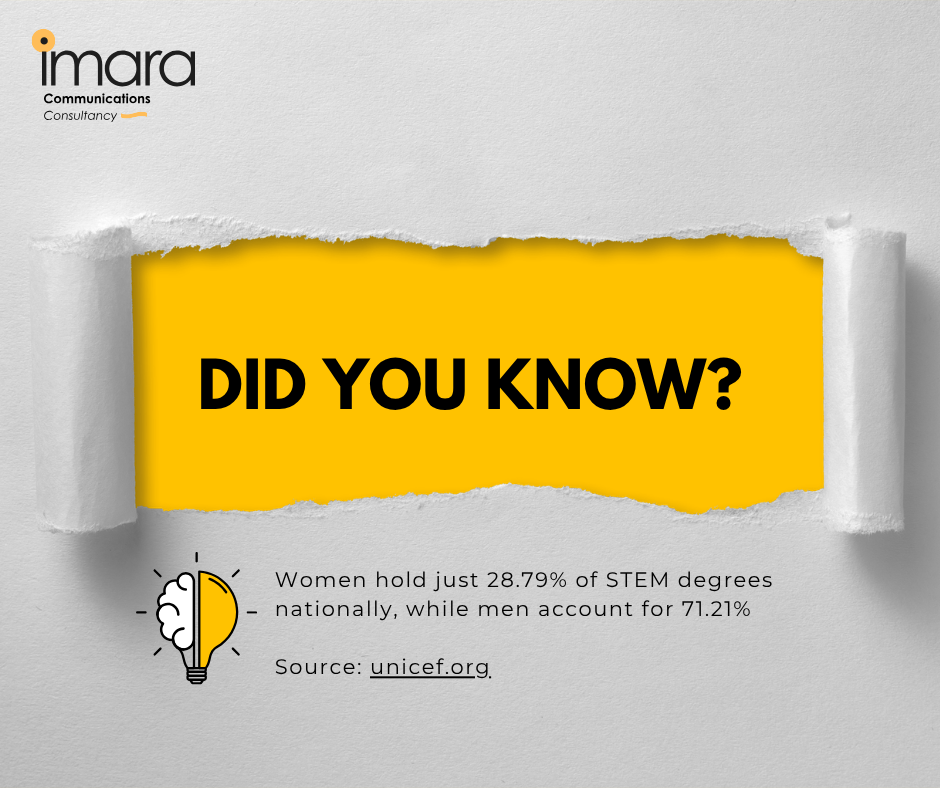
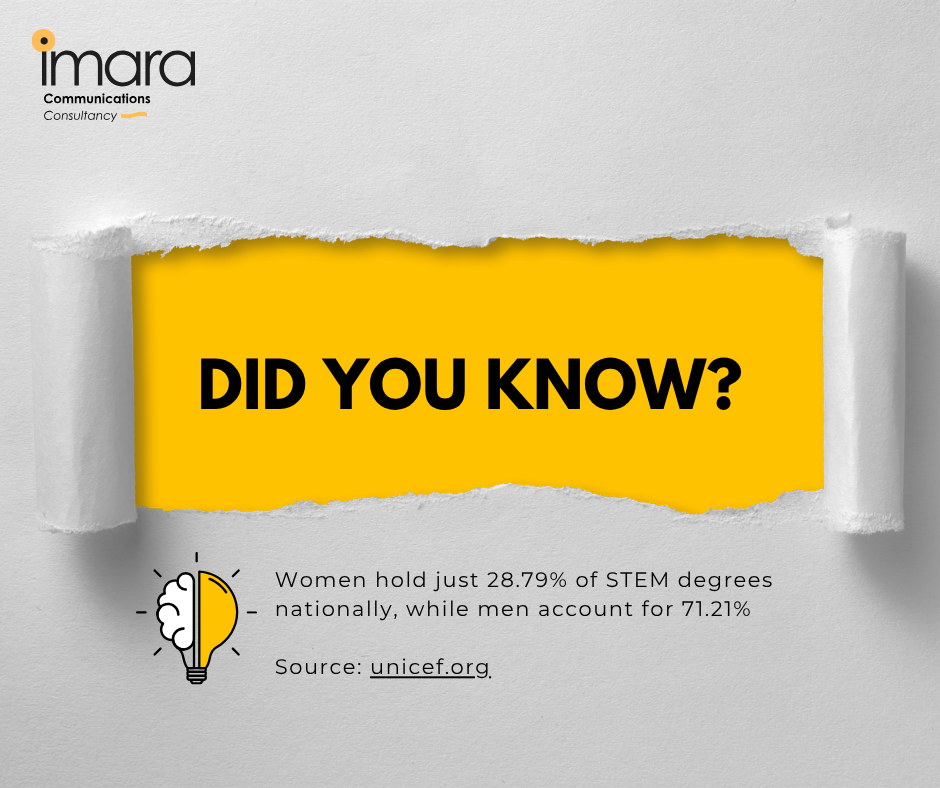
Zimbabwe’s landscape mirrors broader continental challenges. Women remain underrepresented in the ICT workforce, and while progress has been made in education, fewer girls transition into STEM careers or leadership roles. When half the population is excluded from innovation, the country’s capacity for inclusive growth and competitiveness is threatened.
Zimbabwe’s ambition to achieve upper-middle-income status by 2030 hinges on digital skills, innovation, and entrepreneurship. If girls are sidelined, the digital divide risks entrenching existing inequalities rather than bridging them. Cultural stereotypes, limited access to digital tools, and lack of mentorship continue to hold many girls back, particularly in rural and underserved communities.
Government-led initiatives, coordinated through the Ministry of ICT, Postal and Courier Services and the Ministry of Women Affairs, Community, Small and Medium Enterprises Development, are embedding gender inclusion into ICT and STEM strategies. Programmes promoting digital literacy, innovation hubs, and coding academies are gradually opening doors for young women.
At the multilateral level, UN Agencies such as UNICEF, UN Women, and UNESCO are working alongside government to strengthen digital education systems, reform policies, and expand access to technology training for girls. Notably, Project Ignite, a partnership between UN Women and OmniContact, is equipping young women with practical digital skills, mentorship, and pathways into employment. The initiative focuses on preparing girls for careers in ICT by combining training with exposure to real-world opportunities, ensuring they are not only digitally literate but also competitive in the job market.
Civil society organisations are also playing a transformative role. Complementing these efforts are the ULwazi Feminist Knowledge Hubs, established by UN Women under the EU-funded Spotlight Initiative. The knowledge hubs are managed by NUST, Katswe Sisterhood, Zimbabwe Women’s Resource Centre, IYWB, and the Rozaria Memorial Trust. They provide platforms for knowledge-sharing, digital empowerment, and feminist innovation. They are designed to amplify women’s voices in technology and ensure that girls have access to supportive networks as they navigate ICT careers. Alongside these institutional efforts, champions like Sicelo Dube, known as ‘the STEM Lady,’ have been instrumental in inspiring and mentoring young women. Through advocacy, outreach programmes, and hands-on training, she has created pathways for girls to enter ICT fields, building confidence and demonstrating that women can thrive in technology leadership.
At the community level, cultural change is gaining momentum. Campaigns such as Take a Girl Child to Work Day, alongside the growing visibility of Zimbabwean women thriving in tech, are reshaping perceptions. When girls see relatable role models succeeding in ICT, aspirations shift, and so do outcomes.
Access alone is not enough. Zimbabwe’s next challenge lies in ensuring retention, progression, and leadership. While more girls are entering STEM pathways, far fewer rise into decision-making roles, entrepreneurship, or innovation leadership. Closing this gap requires deliberate investment in mentorship, funding for women-led tech startups, inclusive procurement policies, and early exposure to emerging fields like artificial intelligence.
International Girls in ICT Day should be seen in Zimbabwe as a national checkpoint. It highlights the urgent need for sustained, coordinated action. Government must invest boldly, the private sector must create inclusive opportunities, and communities must actively support girls’ ambitions.
Empowering girls in ICT is strategic to national development, it unlocks Zimbabwe’s full potential in a digital world. The future of ICT in Zimbabwe must be inclusive, innovative, and equally driven by girls and young women.