26. March 2026
Turning Rights Into Reality: Makanry Investments is Empowering Women Across the Soya Beans Value Chain
By Getrude Chigerwe
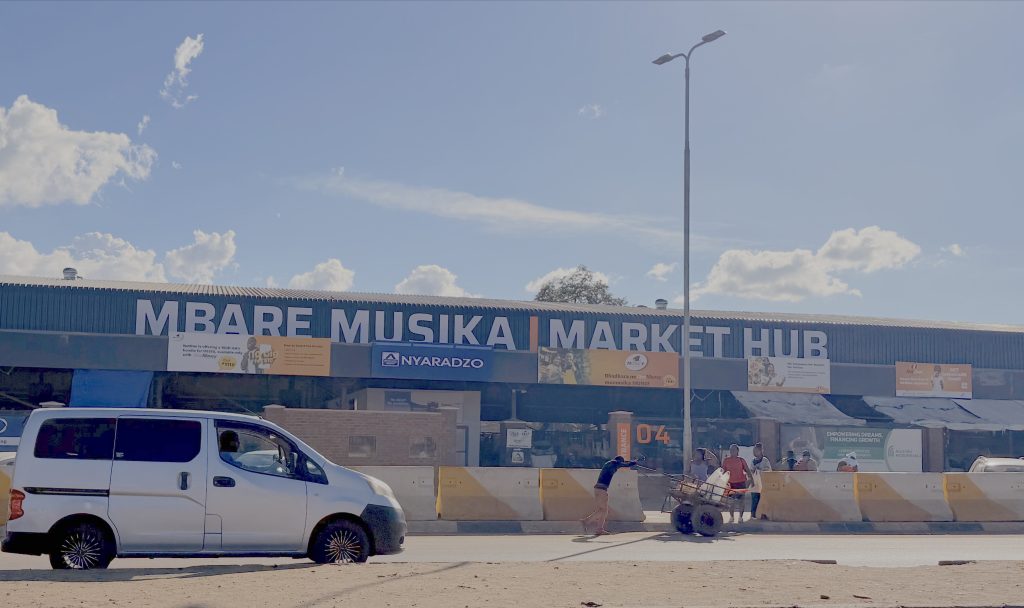
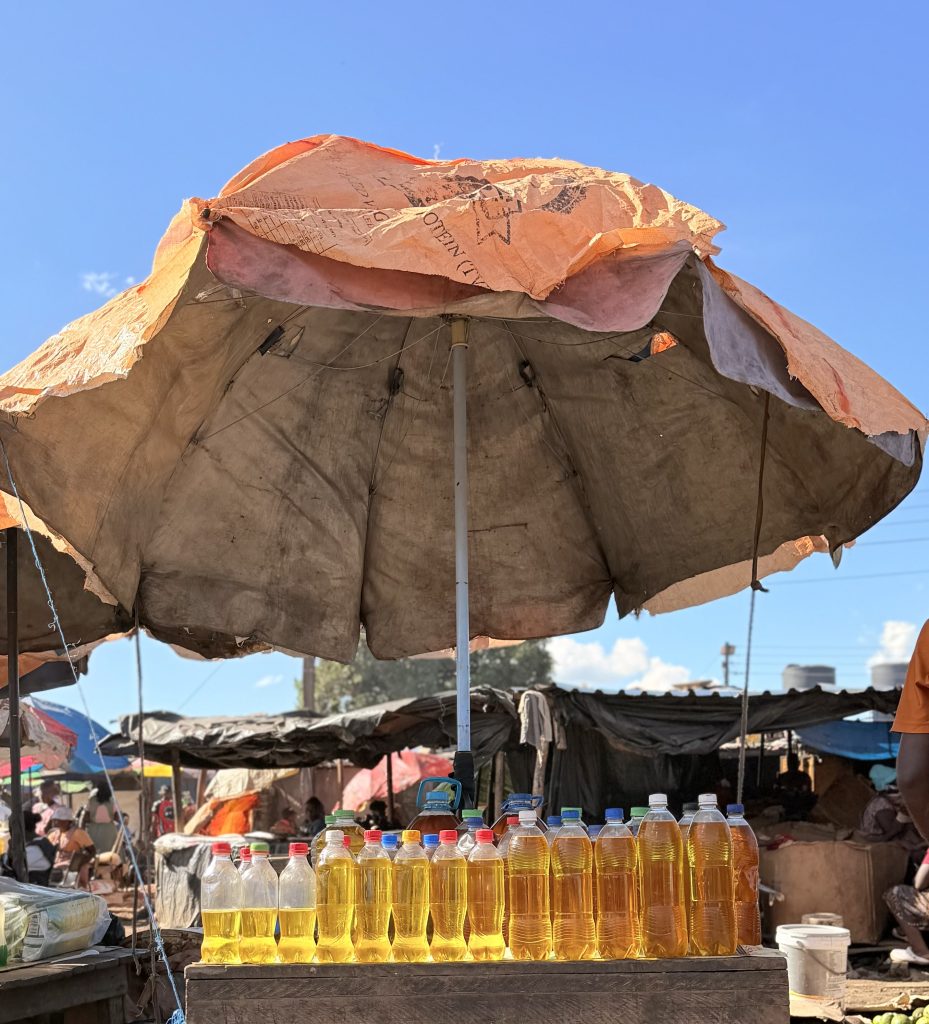
In Mbare, where the rising cost of basic goods continues to strain household budgets, many women are forced to make difficult choices about how to feed their families. Access to affordable cooking oil, an everyday necessity, has increasingly become a matter of fairness and economic justice. In line with International Women’s Day 2026 theme, ‘Rights, Justice, Action for All Women and Girls’, a local company is responding with a simple yet impactful solution, producing and distributing lower‑cost soya bean cooking oil that is improving access while creating economic opportunities for women across the value chain.
Makanry Investments is a startup that identified a critical market gap, affordable cooking oil. “The idea came from recognising a real gap in the market, many households were struggling to afford basic commodities like cooking oil,” said Managing Director Mr Lieto Mujinga. “We saw an opportunity to create a local solution that directly responds to that challenge. Soya beans made sense because they are locally available, affordable, and highly versatile. Beyond cooking oil, soya beans can also be processed into stock feed for livestock and nutritious products such as soya chunks, creating multiple value streams that support farmers, strengthen food security, and reduce reliance on imports.”
By sourcing raw materials locally and streamlining its production processes, the company has been able to keep prices significantly lower than many cooking oil brands. “Our pricing model is built around accessibility,” Mujinga explained. “We have also made a deliberate decision to maintain modest margins because our aim is to close the affordability gap, particularly for women who manage household budgets.”
Makanry Investments’ primary market, Mbare, was a deliberate choice. As one of Harare’s busiest commercial centres, it offers direct access to low and middle-income households, where affordability is a priority. Starting in Mbare allowed the company to reach its core consumers, women, while also building a strong network of women distributors and retailers. “Mbare was a very intentional starting point for us,” Mujinga said. “It gave us direct access to our core consumers, women, while allowing us to build a strong network of women distributors and retailers.”
That strategy is already delivering results. Demand has grown steadily, largely driven by the product's affordability and quality. Women, who make up the company’s primary customer base, are increasingly choosing the oil because it helps them manage their household budgets more effectively.
Beyond affordability, the company is also intentionally embedding gender inclusion into its operations, even as it continues to formalise its policies. While structured inclusivity frameworks are still being developed with expert support, women already play a significant role across the business. Around 60 per cent of suppliers are female farmers, and about 90 per cent of distributors and retailers are women. This approach is deliberate, ensuring that women, who form the core consumer base, are also directly included in the economic opportunities created along the value chain.
At the very start of the supply chain, the company sources soya beans directly from farmers in Mashonaland East, many of whom are women. A female broker oversees the mobilisation of farmers, coordinating deliveries and payments, thereby placing women in key leadership and decision-making roles.
For farmers like Ms Mombershora from Mhangura, the impact has been significant. “Before working with the company, income from farming was unpredictable. Now, I have a more dependable source of income, which is helping me plan better for my family,” she said.
For others, the benefits extend beyond income. “This opportunity has helped me become more financially independent,” said Mai Moyo, a 55‑year‑old farmer from Karoi. “I am now able to support my family in a more meaningful way, whether it is buying food, paying my children’s school fees, or meeting daily expenses. It has also strengthened my voice in the household because I am contributing economically.”
The ripple effect is increasingly being felt across communities. “More women are starting to benefit,” said Ms. Lizzy Ngoro, the female broker coordinating supply. “As more women get involved, they are able to earn their own income, support their households, and build financial independence.”
At the market level, distributors are observing clear shifts in consumer behaviour. Customers are primarily drawn to the product because it is more affordable than many competing brands, while consistent quality has encouraged repeat purchases and sustained demand. “Our main customers are mostly women managing households. They compare prices carefully and choose what works best for their families,” explained Chido Ngoma, a retailer in Mbare.
For women who purchase the product, the impact is immediate and deeply personal. Many buy cooking oil regularly based on what they can afford, and previously high prices often forced them to delay purchases or buy smaller quantities. With oil now more affordable, they can buy what they need more consistently, easing pressure on household food preparation.
That affordability is directly linked to food security. Mai Mpofu, a Mbare resident, said, “Before, there were times when we had to adjust our meals because some things were simply too expensive. Now, I can cook more consistently, and that has made a big difference for my family. ”Savings on essential items are also opening up new possibilities. “The money I save can go towards other important needs,” she added. “It may seem like a small saving, but over time it makes a significant difference.”
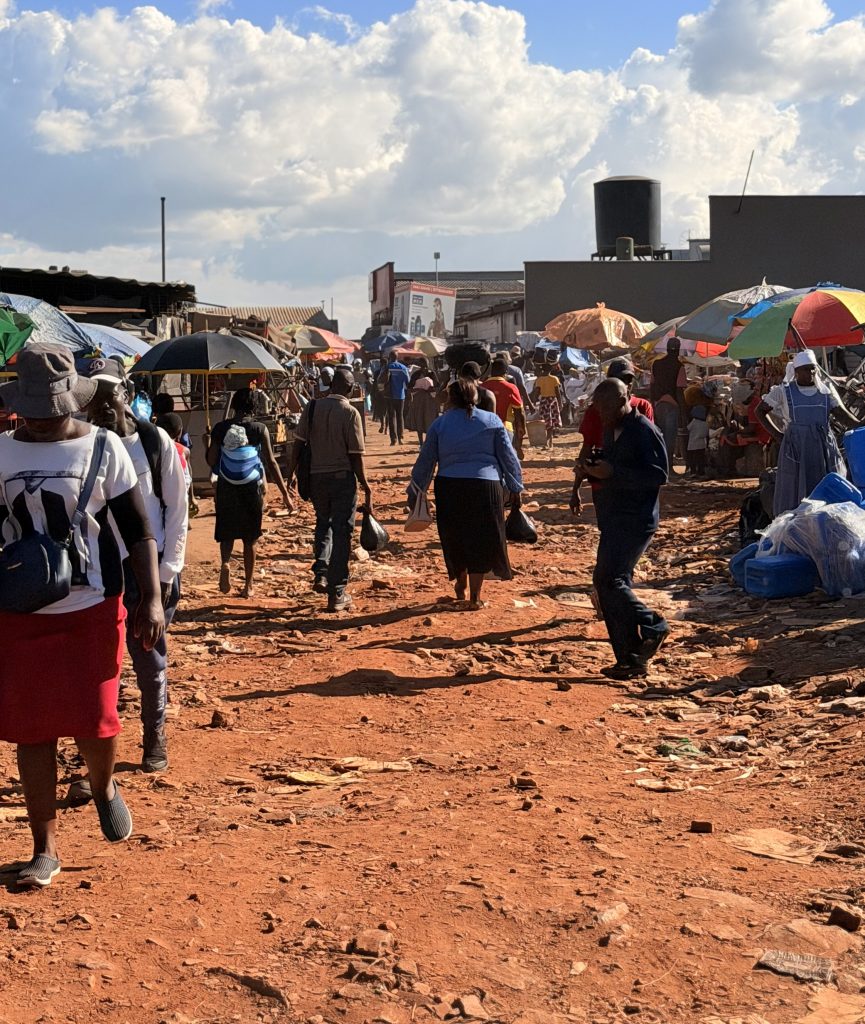
For many women, access to affordable cooking oil is more than a convenience, it is a necessity closely tied to dignity and the responsibility of providing for their families. As primary caregivers and household managers, they face significant pressure from rising prices to meet daily food needs. Without access to affordable options, that burden would quickly return, increasing financial strain and making it more difficult for households to cope.
Beyond affordability, the company views its work as contributing to a broader system of inclusion and resilience. “We are aiming to create a more inclusive and sustainable local economy,” Mujinga said. “We want to see more women actively participating across the value chain, from farming to distribution, so that the impact extends beyond consumption to income generation and empowerment.”
By strengthening local supply chains, this is also improving the reliability and stability of access to essential goods. Local sourcing has made supply more dependable, providing the consistency that households need for everyday food preparation.
In Mbare, what may appear to be a simple bottle of cooking oil tells a much bigger story, one of access, opportunity and resilience. From women farmers to distributors and the consumers at the heart of it all, this local initiative is quietly redefining what empowerment looks like in practice. It is a reminder that real change is not only shaped in policy spaces, but also through everyday solutions that enable women to provide for their families, earn an income, and build more secure futures for themselves and their households.
Gud work n gender. Wht abt other markets like Machipisa
It reminds me of Katanga Norton on a small scale but pane traffic kunge mbare. Vakadzi ndovakabata economy yemuma streets
💯
Great work here. gender inclusion in the value chains of any business should be prioritised. And Mbare is where women go for most of their household food shopping. This reminds me of 2007-2008 Mbare was the place to go. The small informal companies managed to sustain many families. The only challenge is that oftentimes these small companies want to maximise profit at the expense of these same women, and they indirectly capitalise on the streets. Otherwise, they are doing well in ensuring food is on the table for so many households, even beyond Mbare.
Can I please have your contacts
Hi Norman. Thank you for reaching out. Please email us at info@imaracommunications.org, and we will get back to you as soon as possible.
Thank you,
Best Regards.